Women in Shakespeare | 2022
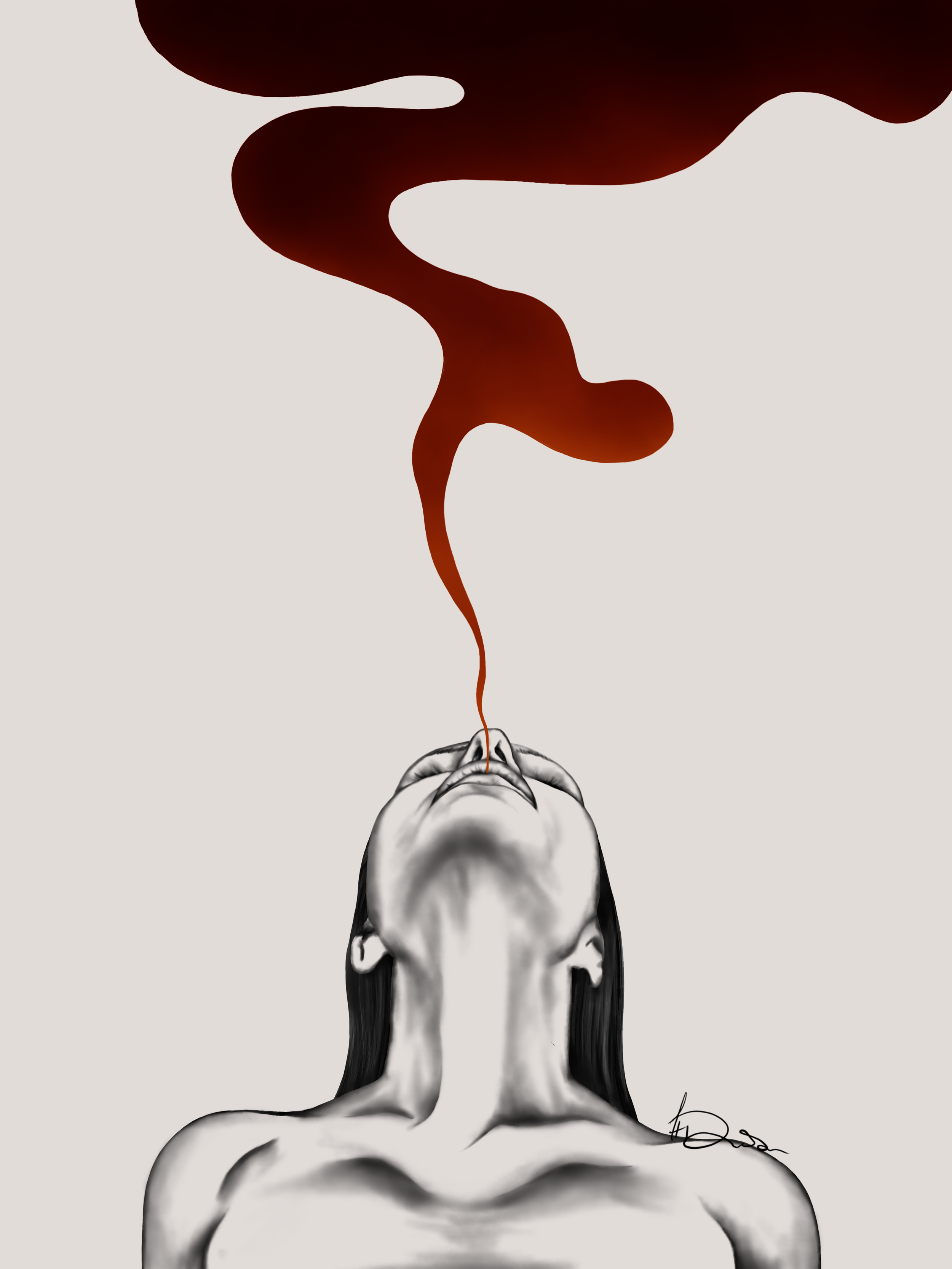
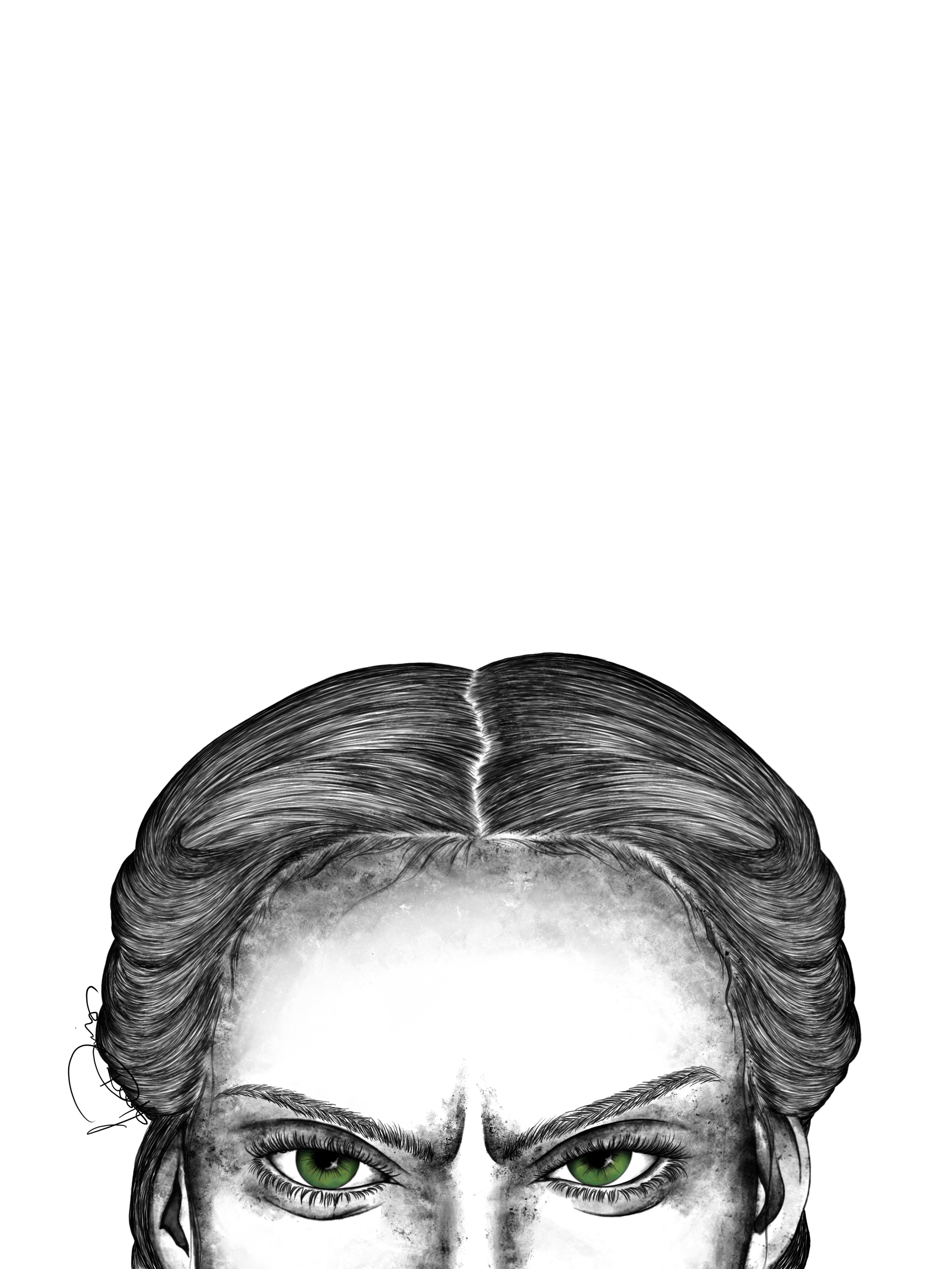
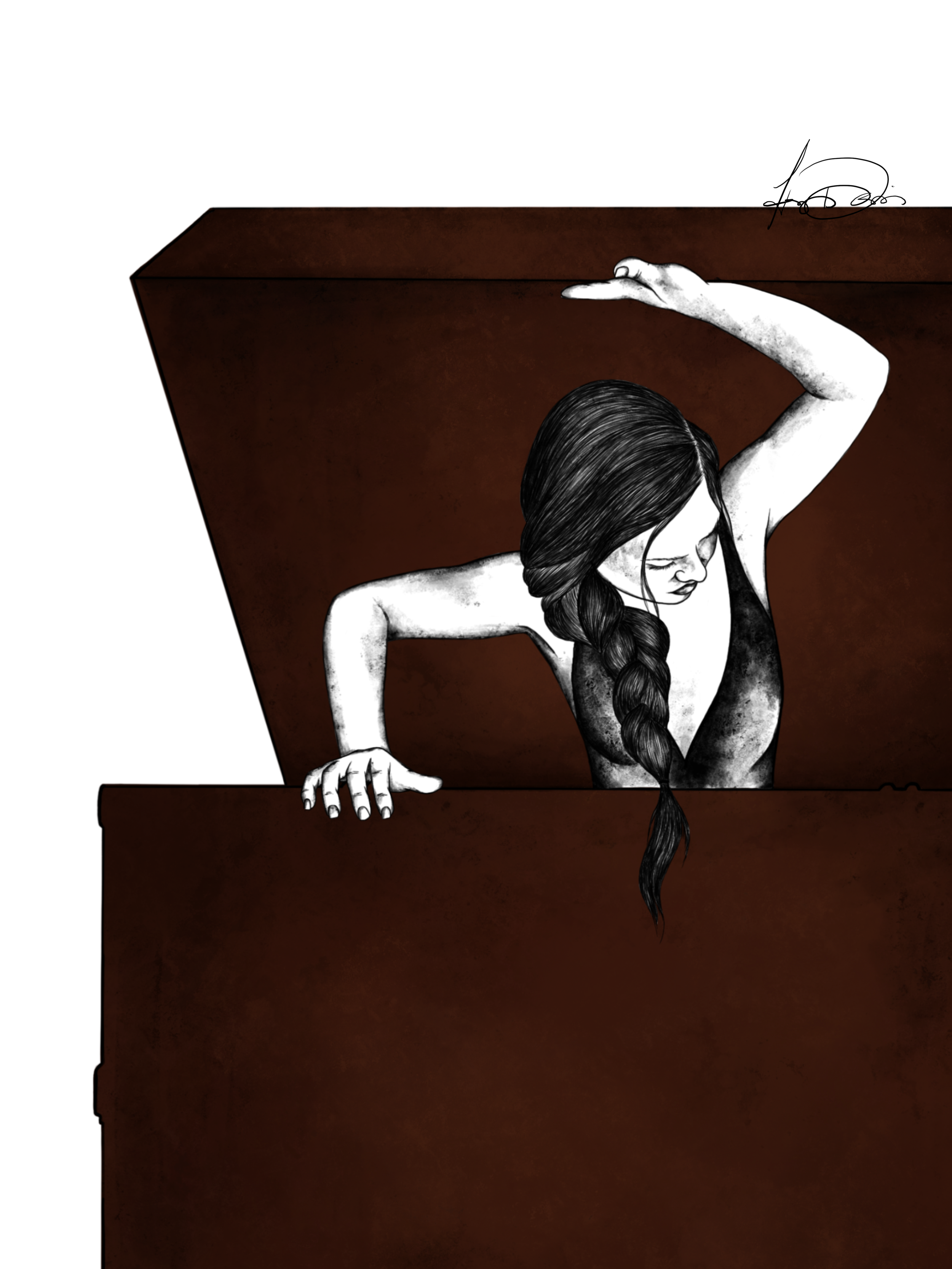
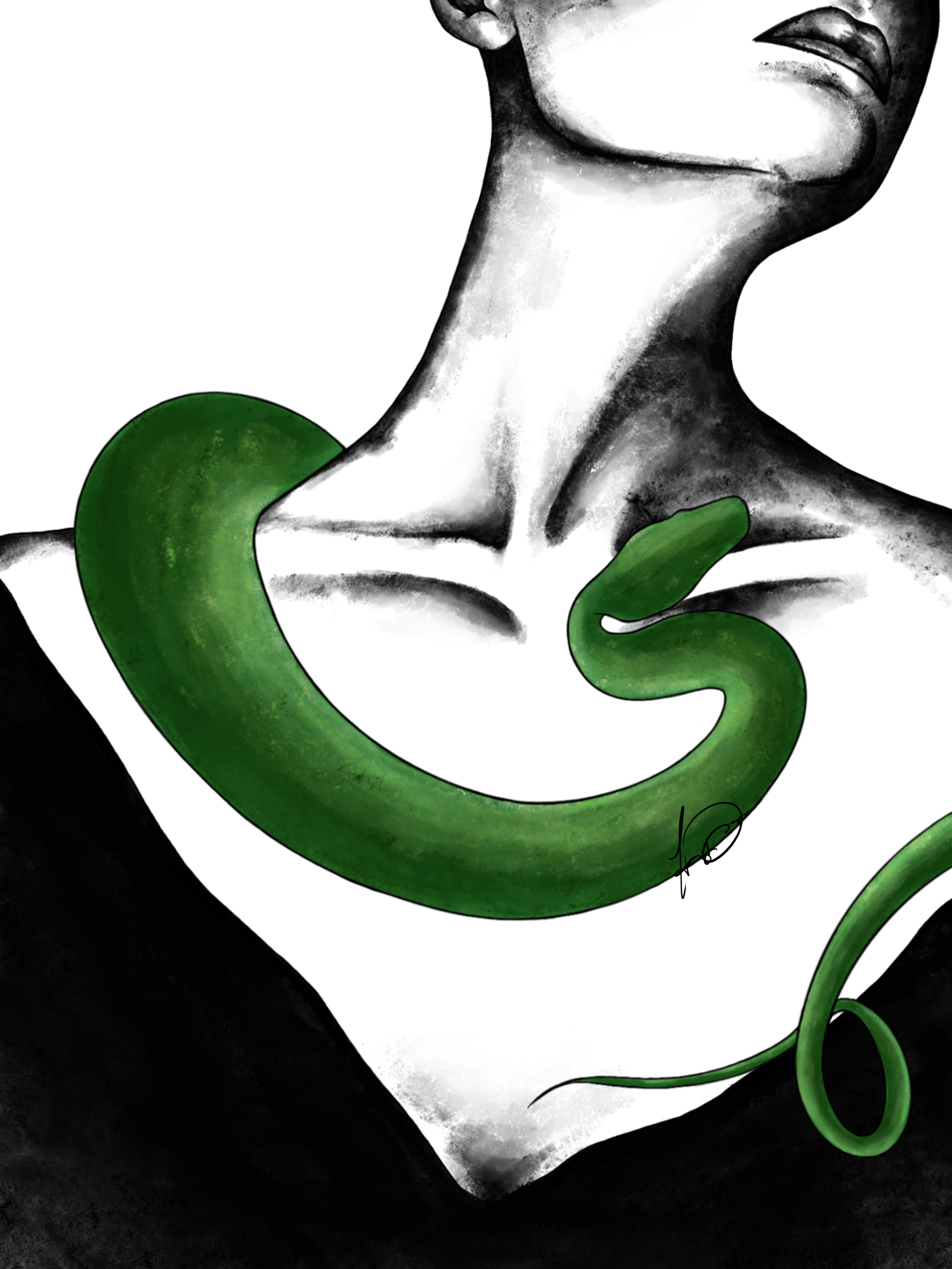
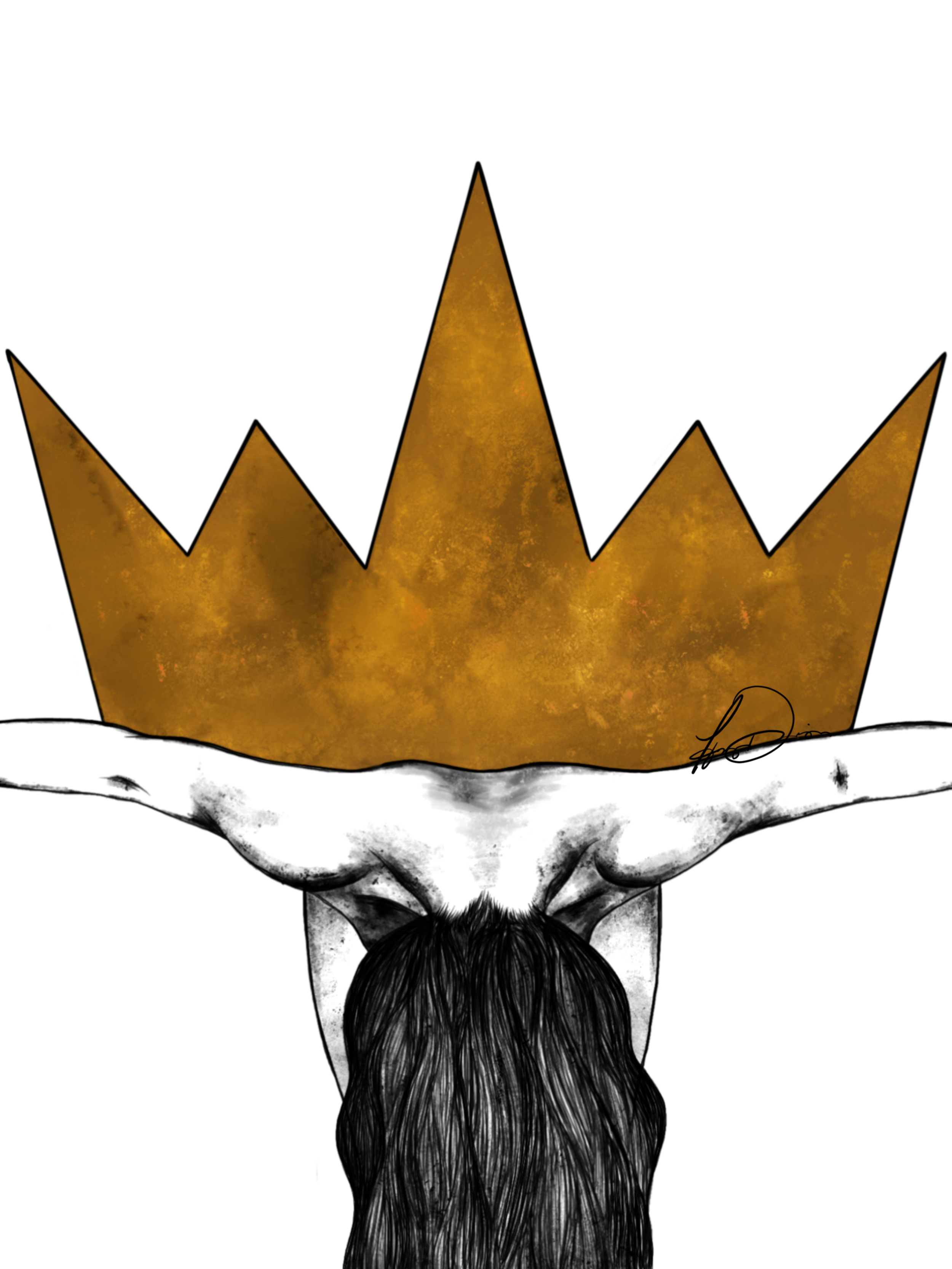
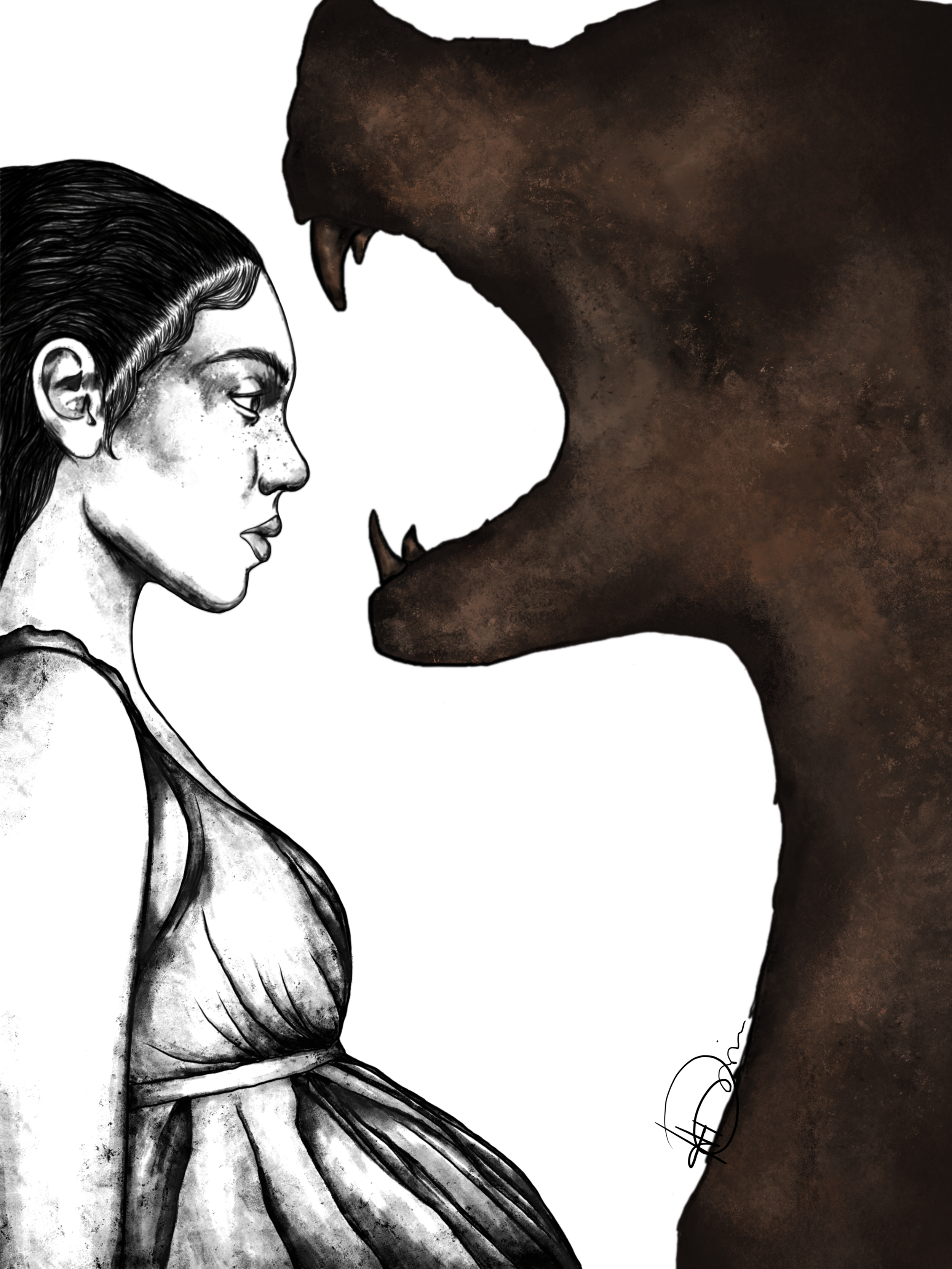
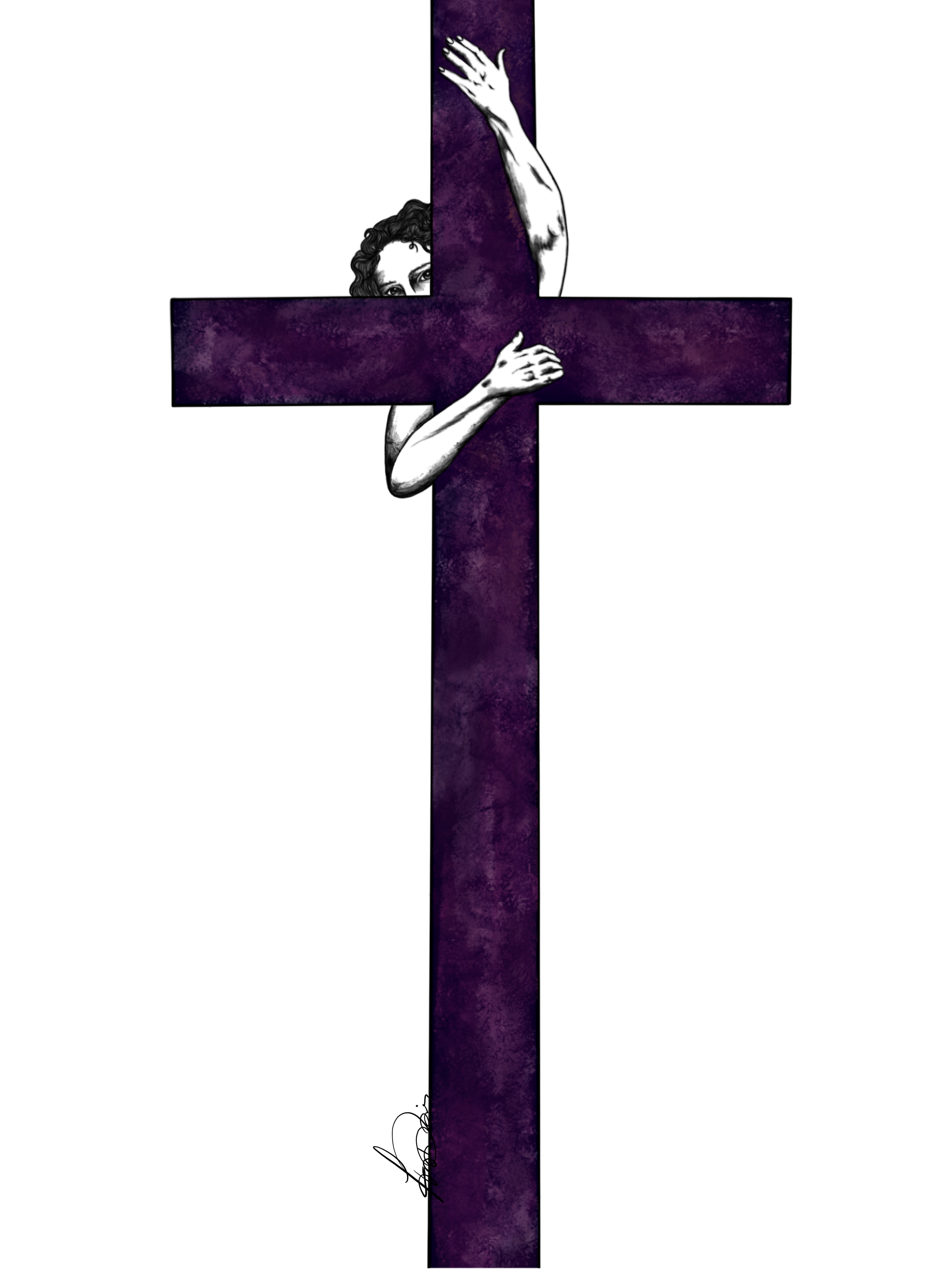
This series was in response to “the objectifier.”
Sometimes, Shakespeare’s characters and their stories exist in objects. When we see a skull, we might think of Hamlet. When we see a dagger, we might think of Macbeth. A laurel crown might chaperone our thoughts to Julius Caesar; a crown divided suggests Richard II. These objects, in their own way, connote power.
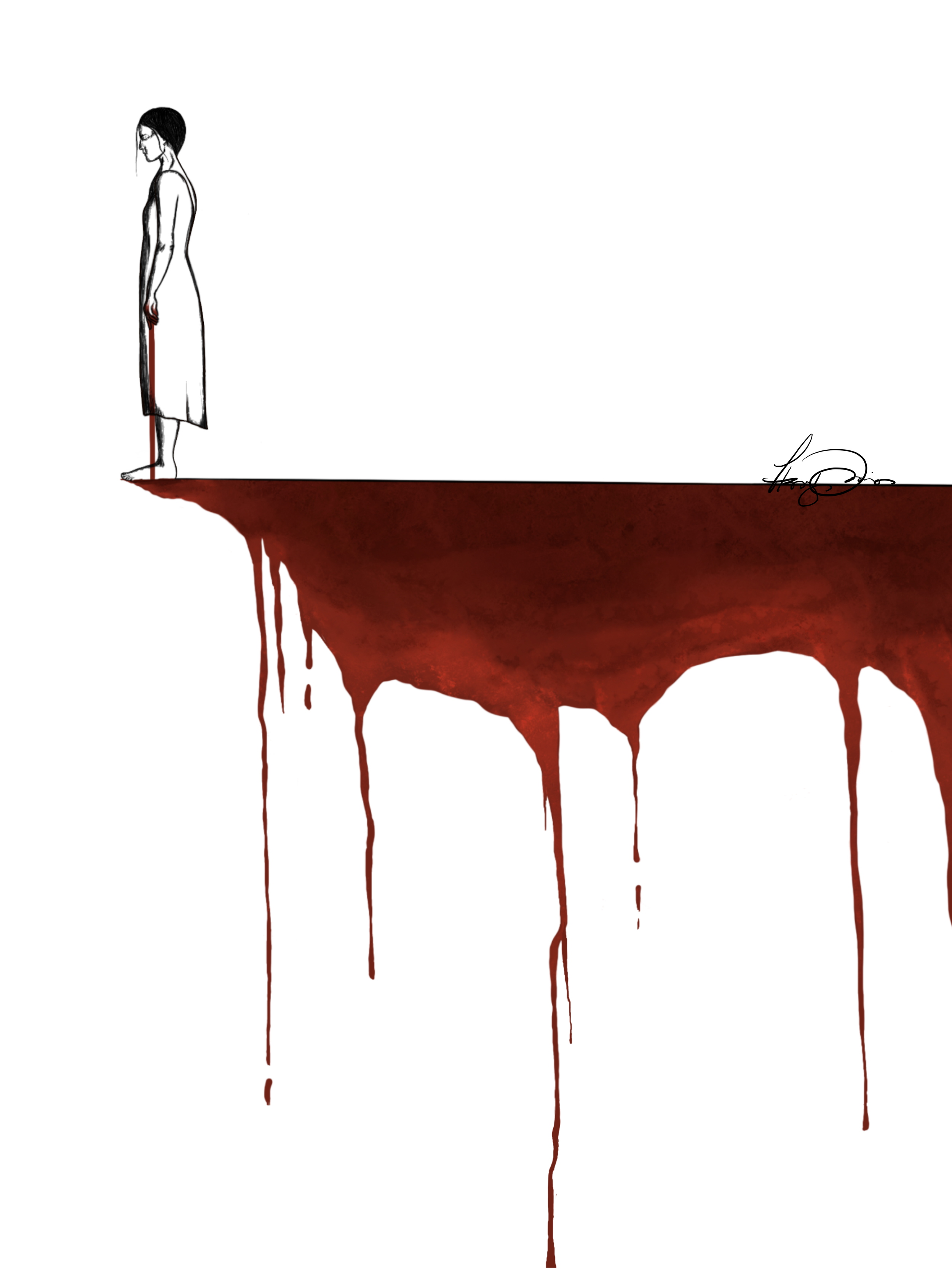
Shakespeare's female characters are also associated with objects, but the effect is different. Women are objectified themselves. Her stage presence is comparatively small, her function is often peripheral to the male-centric plot. The female's role in Shakespeare risks being reduced to little more than the things she associates with. Lady Macbeth and her bloodied hands, Phoebe and her allegedly murderous eyes.
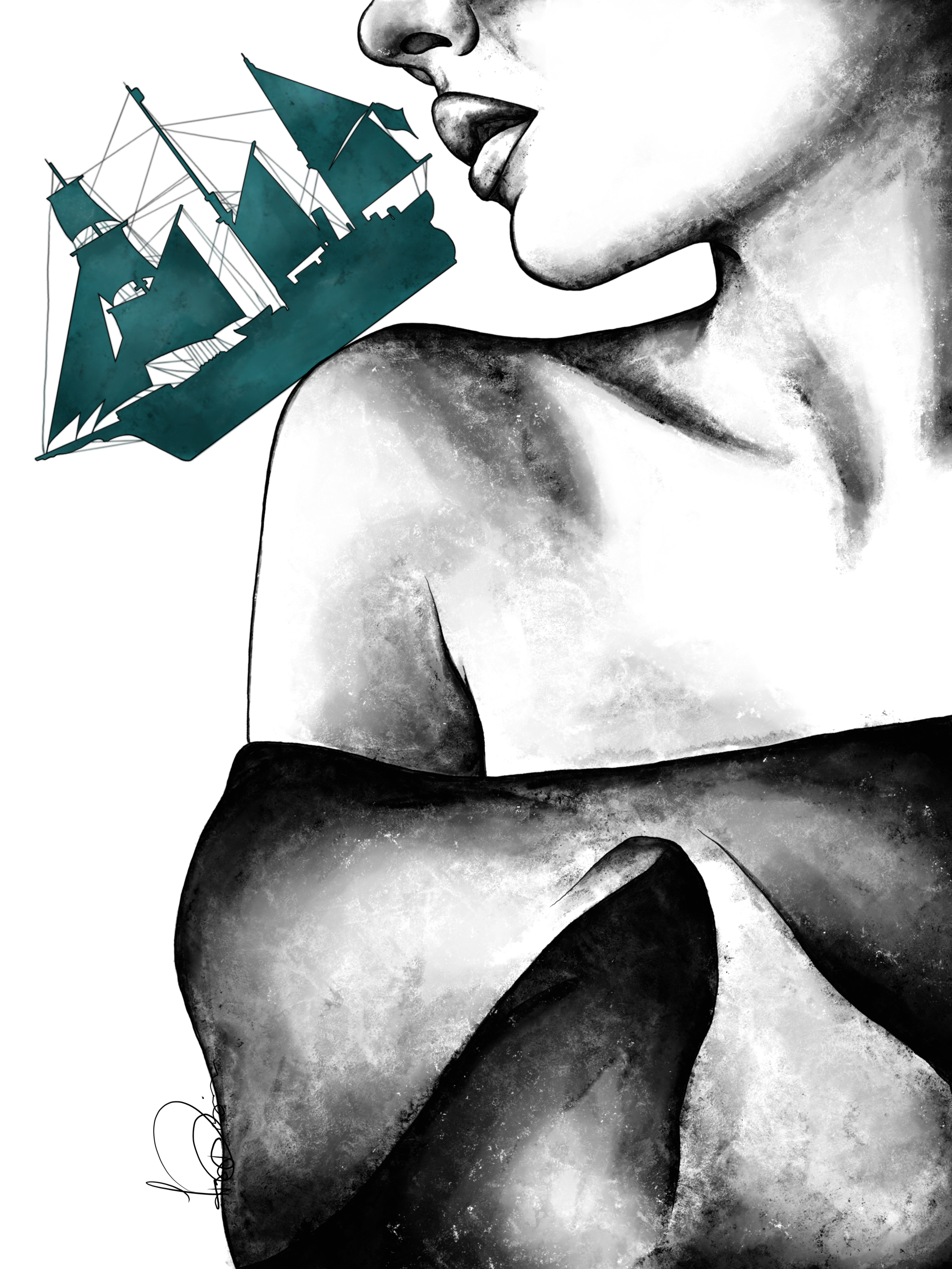
This series of portraits seeks to examine the relationship between woman and object — objects that define their character, mark their downfall.
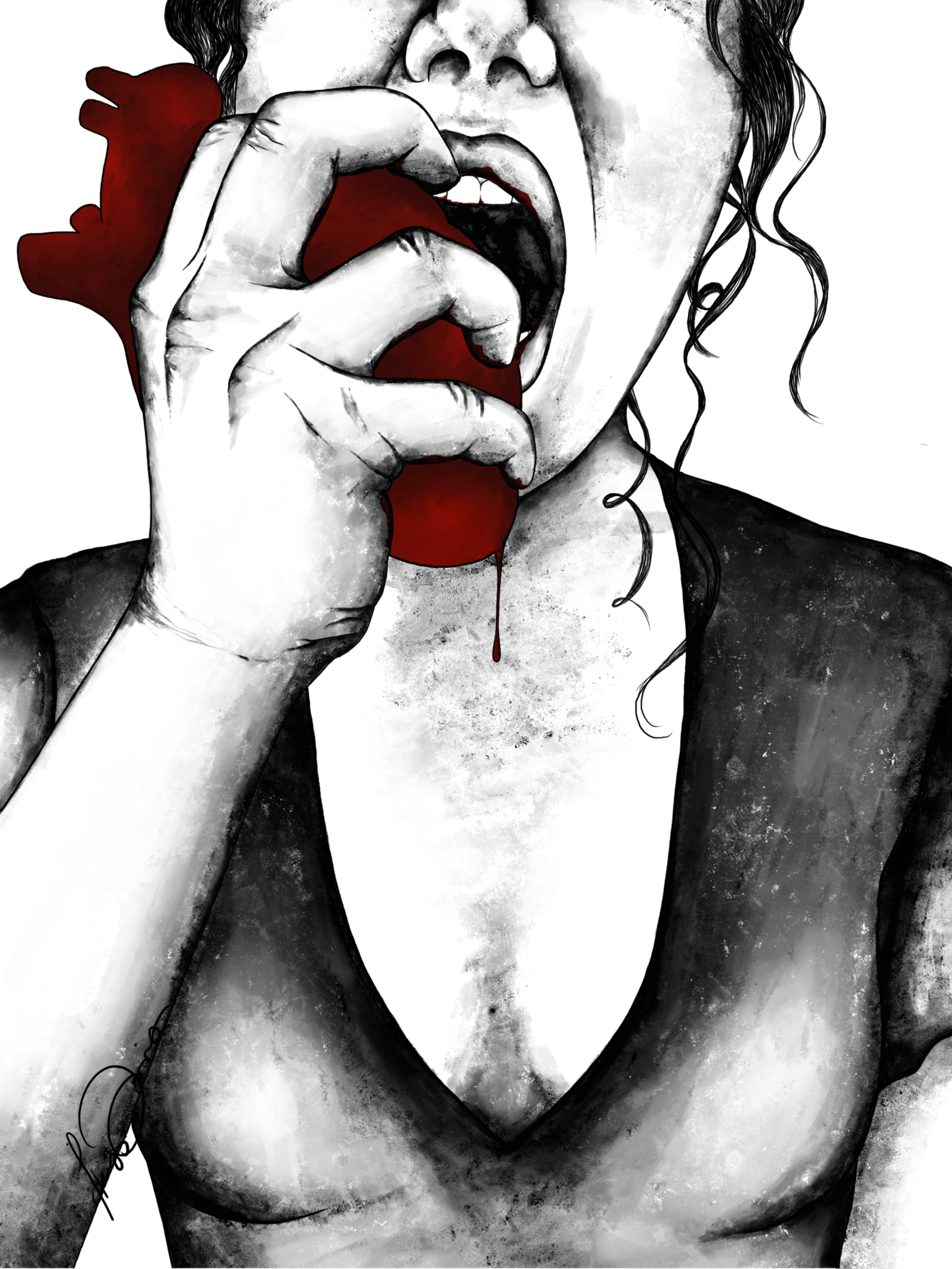
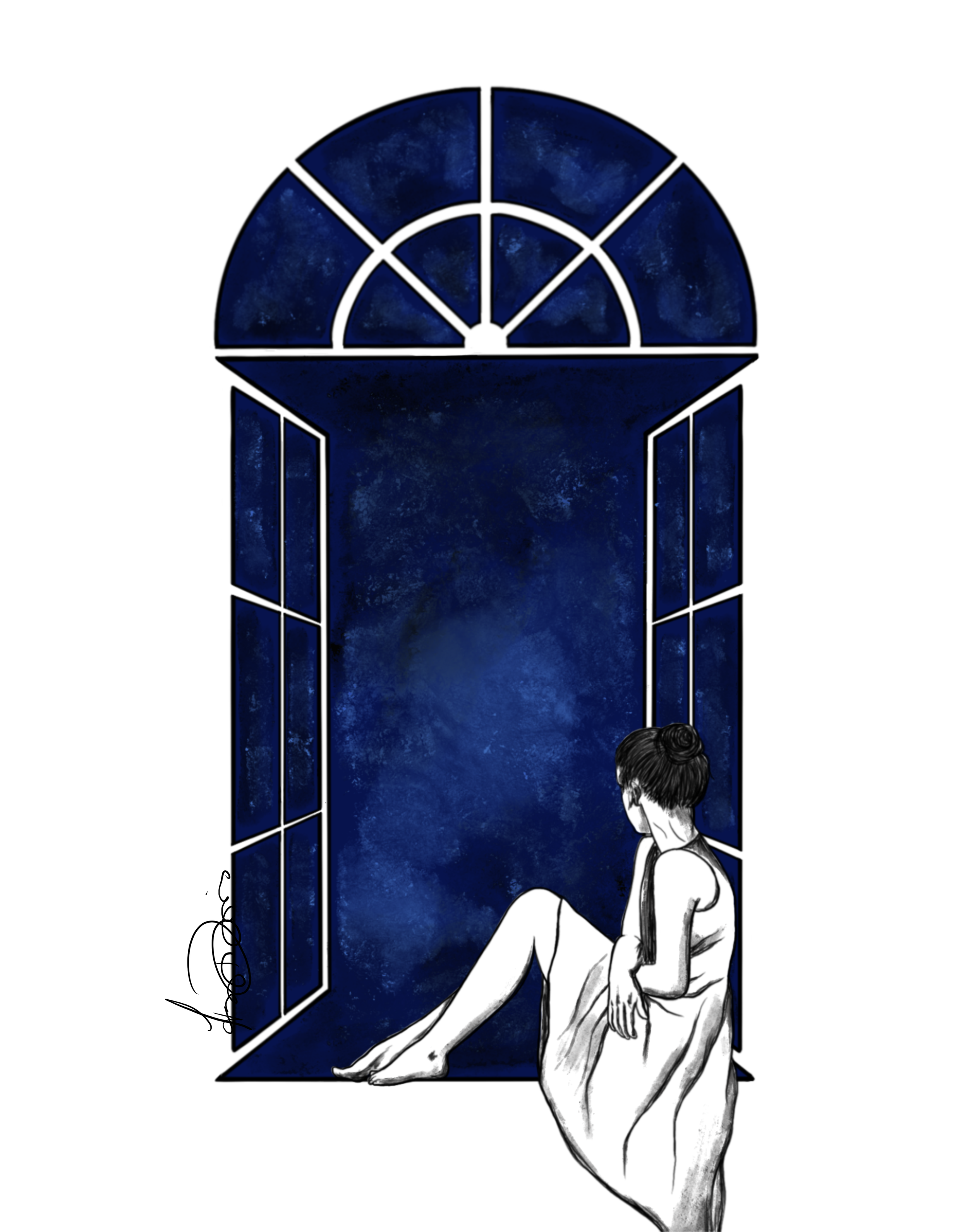
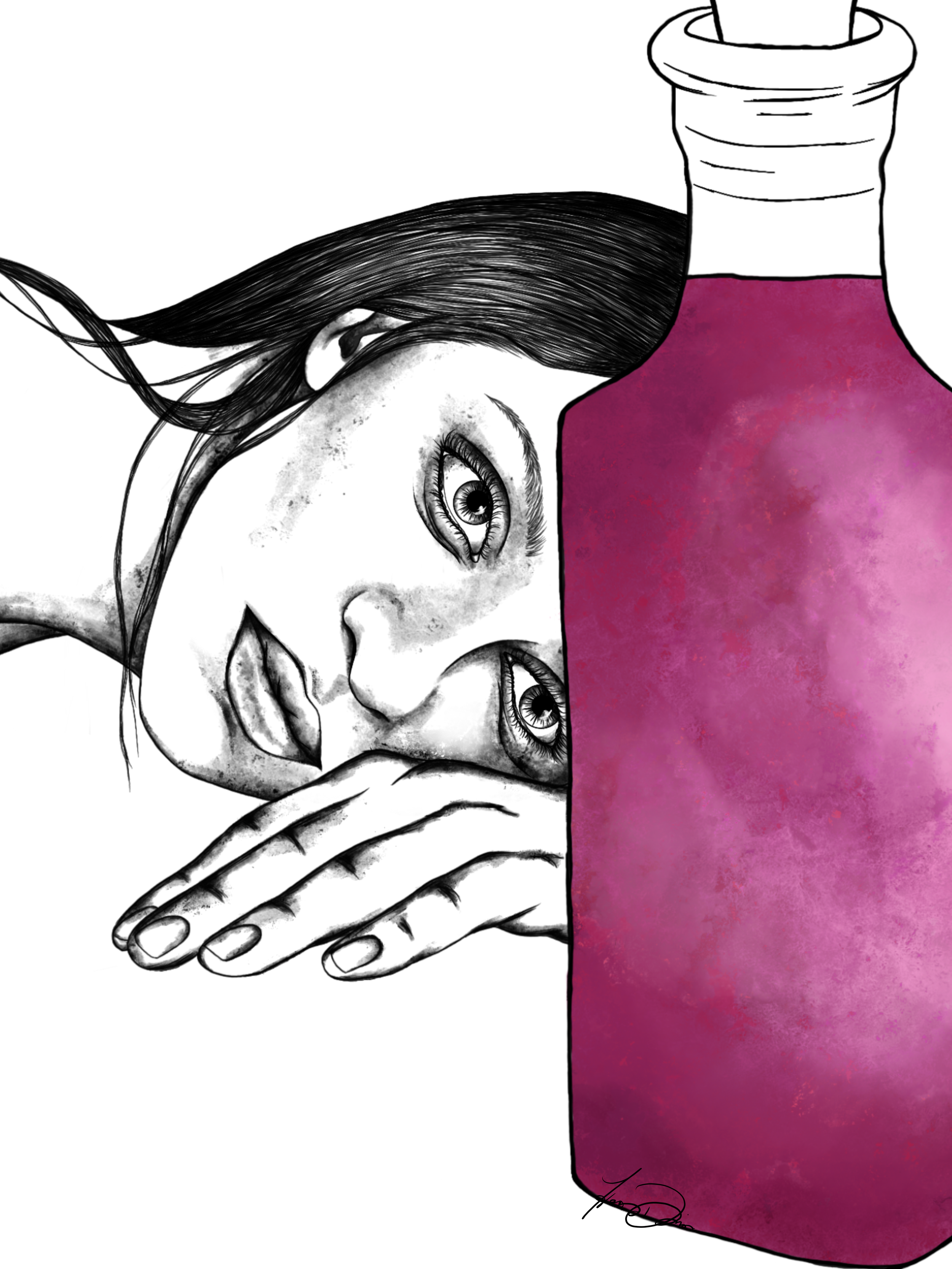
![Have you any commission from your lord to negotiate with my face? You are now out of your text. But we will draw the curtain and show you the picture. [Unveils] Look you, sir, such a one I was this present. Is’t not well done?
Twelfth Night | Act 1,](https://images.squarespace-cdn.com/content/v1/6924a6b6ee362a4481979a5e/88df5d9b-5b10-4e28-8128-5f9b763f3cc4/Olivia.png)